Prenatal Screening
There are many myths around pregnancy.
Physiotherapists who provide in pre/post natal care can help debunk these myths, playing an important role in the management of physical changes that may occur both during and after these nine months.
Briefly, as your baby grows, your posture changes, the pressure on your internal organs increases and collectively this can lead to back pain, rib pain/thoracic discomfort, abdominal weakness, pelvic pain, pubic symphysis pain, prolapse and/or urinary incontinence. Women are often told that these symptoms are ‘normal’, and while common, they are never normal. Furthermore, changes can occur in your feet! The whole body/person requires consideration in pre/post natal care.
If left untreated the underlying impairments causing these symptoms can pose problems in delivery as well as the post partum period and beyond.
Postpartum Screening
Every year millions of women deliver babies and go on to lead pain free functional lives; however, there are many who do not.
Some continue to have persistent mid back, low back, pelvic and/or foot pain while others fail to regain their urinary continence or lose support of their pelvic organs. And there are some Moms who ‘appear’ to recover, only to suffer a recurrence of back or pelvic girdle pain with or without incontinence or organ prolapse years later.
Pregnancy and delivery can significantly alter the anatomy and function of the abdominal wall, pelvic floor and the foot for that matter! To compensate, women often develop poor habits for standing, sitting and lifting. These habits can further overload the joints, muscles and organs and lead to complications.
Diane Lee received a research grant from the University of Queensland in Australia to investigate a condition called diastasis rectus abdominis, an excessive stretching condition of the abdominal wall that occurs in all women during the third trimester of pregnancy, and in most, will resolve naturally in the first year postpartum. For some women, a soft gap in the midline persists. The stretching of the abdominal muscles and their fascial envelopes is often associated with muscle imbalance in the trunk and with proper training and time, full function can be restored.
For others, that laxity is too much, and the little bit of fascia between the left and right sides of the abdominals just can’t be tensed so that forces can cross the midline. We now have clinical tests (combined with real-time ultrasound imaging) to determine when surgery should be considered and can refer you for a surgical consult. Remember though, exercise can restore function to most women.
Most women take prenatal classes during their first pregnancy to learn about what’s ahead for them with respect to their delivery, but very few take a postpartum class to learn about things they should do to get their body back after having their baby and why this is so essential for their long-term health. We consider the postpartum screen an essential component of peri-natal care and should be done around 6-8 weeks post delivery. After the initial rehabilitation phase of your recovery (usually 3-4 months) working with our kinesiologist for the next few months can help restore the core, leg and arm strength necessary to manage car seats with the increasing weight of the baby, carrying weights up to 30 pounds for extended periods of time all with an extra level of fatigue. Yes this is the reality of the postpartum time of life!
At Diane Lee and Associates, our physiotherapists (and kinesiologist) are passionate about empowering women through their pregnancies and postpartum experience to understand more about the changes that occur to their bodies and what they should watch for and do to prevent future complications.
Our postpartum screening visit (a 1 hour session), will help you decide on the next best steps for your health and fitness, and how to manage any complications you may have in the post partum period. Following this examination, we will develop a rehabilitation program for your abdominal wall, pressure managment system that includes your breathing diaphragm and pelvic floor for sure and depending on the results of this screening examination may also include rehabilitation for your thorax (chest) and feet. This program will bridge the gap between the early postpartum stage and exercise training. If further guidance is required as you approach 3/12 postpartum personal training with our kinesiologist will be considered. Out goal is to get you back to what you love to do and where you love to work out (Yoga, Pilates, Gym, Boot Camp or home). A strong mom is a happy mom.
Call the clinic (604 538 8338) and ask to book a one-hour Postpartum screening appointment. Please void 1 hour before your appointment and then drink 8 oz of water. Do not void immediately before your appointment to allow us to use ultrasound imaging during your assessment.
Related Practitioners
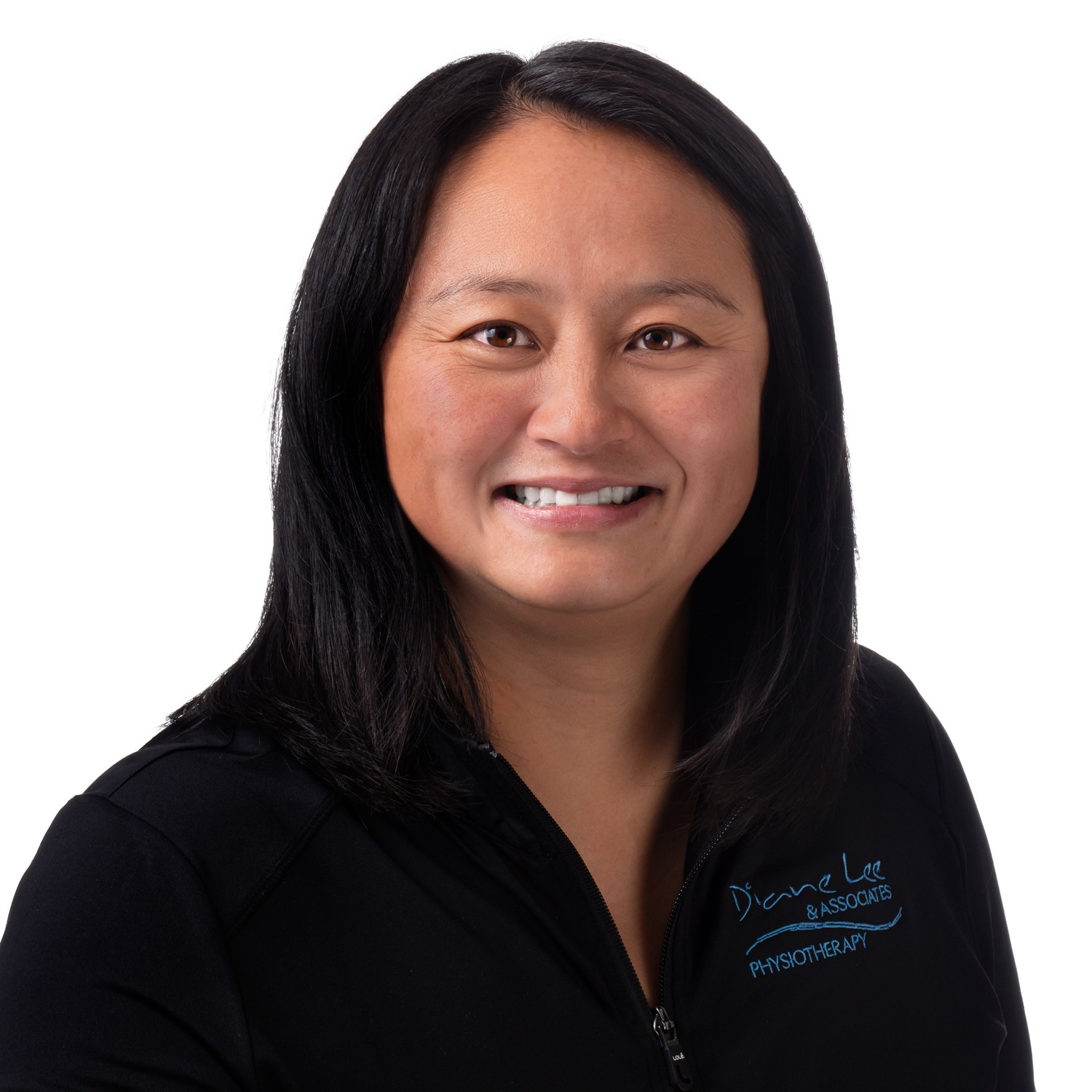
Cathy Rogers
Cathy received a Bachelor of Science degree from the University of British Columbia in 2000. As a member of the varsity women’s volleyball team at UBC during those years she was first exposed to physiotherapy and it’s positive impact on her own personal athletic career.
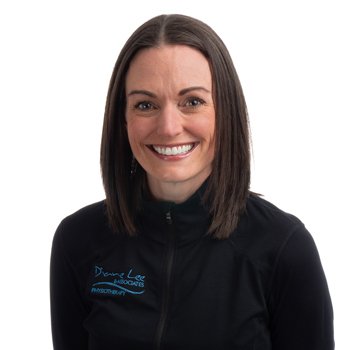
Leigh Fortuna
After studying kinesiology in university for two years, Leigh decided that pursuing a career in physiotherapy was the path she wanted to follow. She graduated from The University of British Columbia in 2005 with a Bachelor of Science in Physical Therapy.
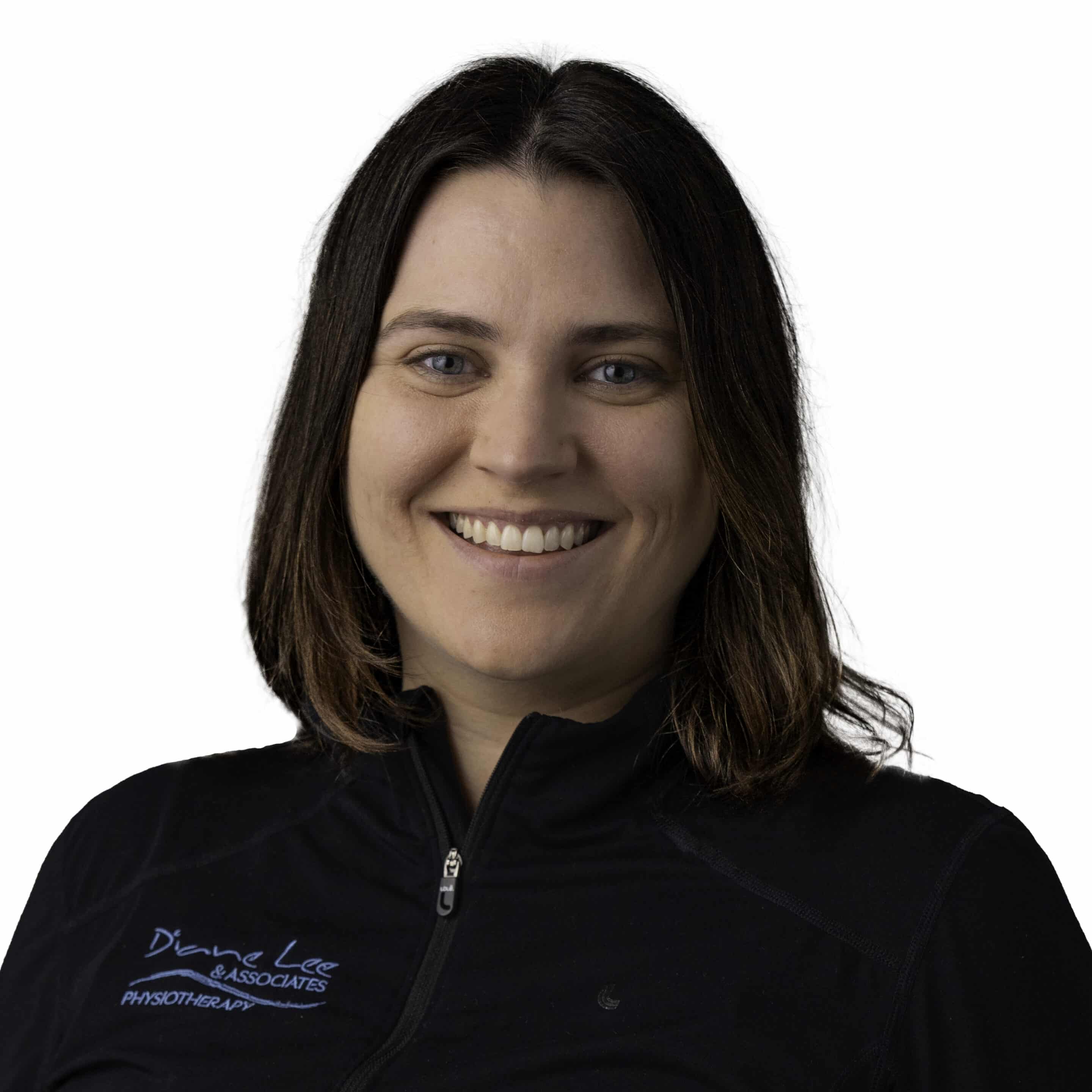
Cheri Le Cappelain
While working as a nurse Cheri saw the importance of physiotherapy on the rehabilitation ward to help patients regain their independence. As a result of these positive experiences she decided to go back to school to become a physiotherapist so she could have a more direct role in rehabilitation and help others regain their independence. Cheri graduated in 2018 with a Doctor of Physiotherapy from the University of Melbourne in Australia.
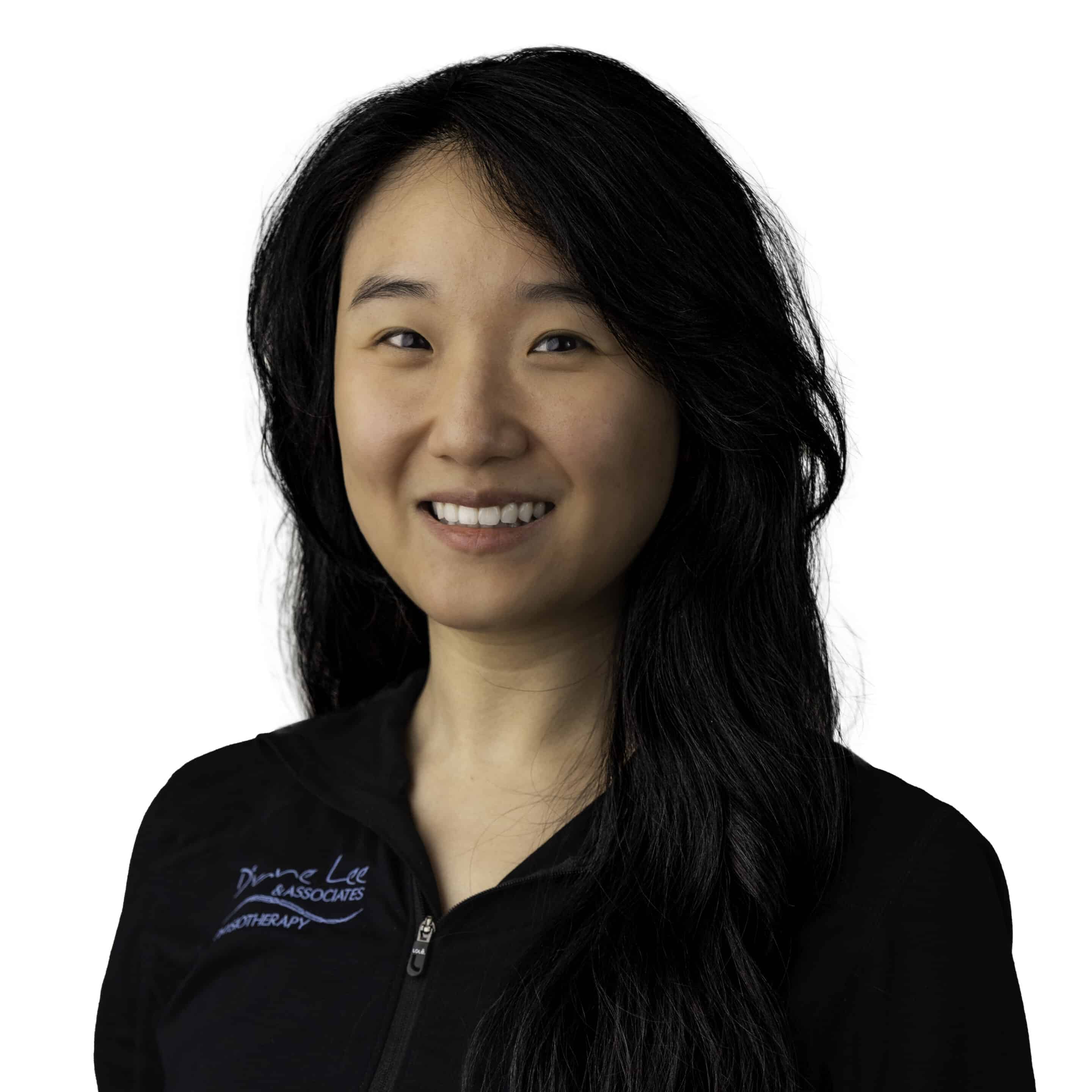
Lily Han
Lily is passionate about assisting her clients in gaining and regaining their function. She obtained her Master’s of Science degree in Physical Therapy from the University of Alberta. She has diverse experience within the healthcare field, including in diagnostic laboratory, pharmacy, medical first aid, and with other interdisciplinary teams allowing Lily to approach each patient’s condition holistically. Lily is fluent in both English and Mandarin.
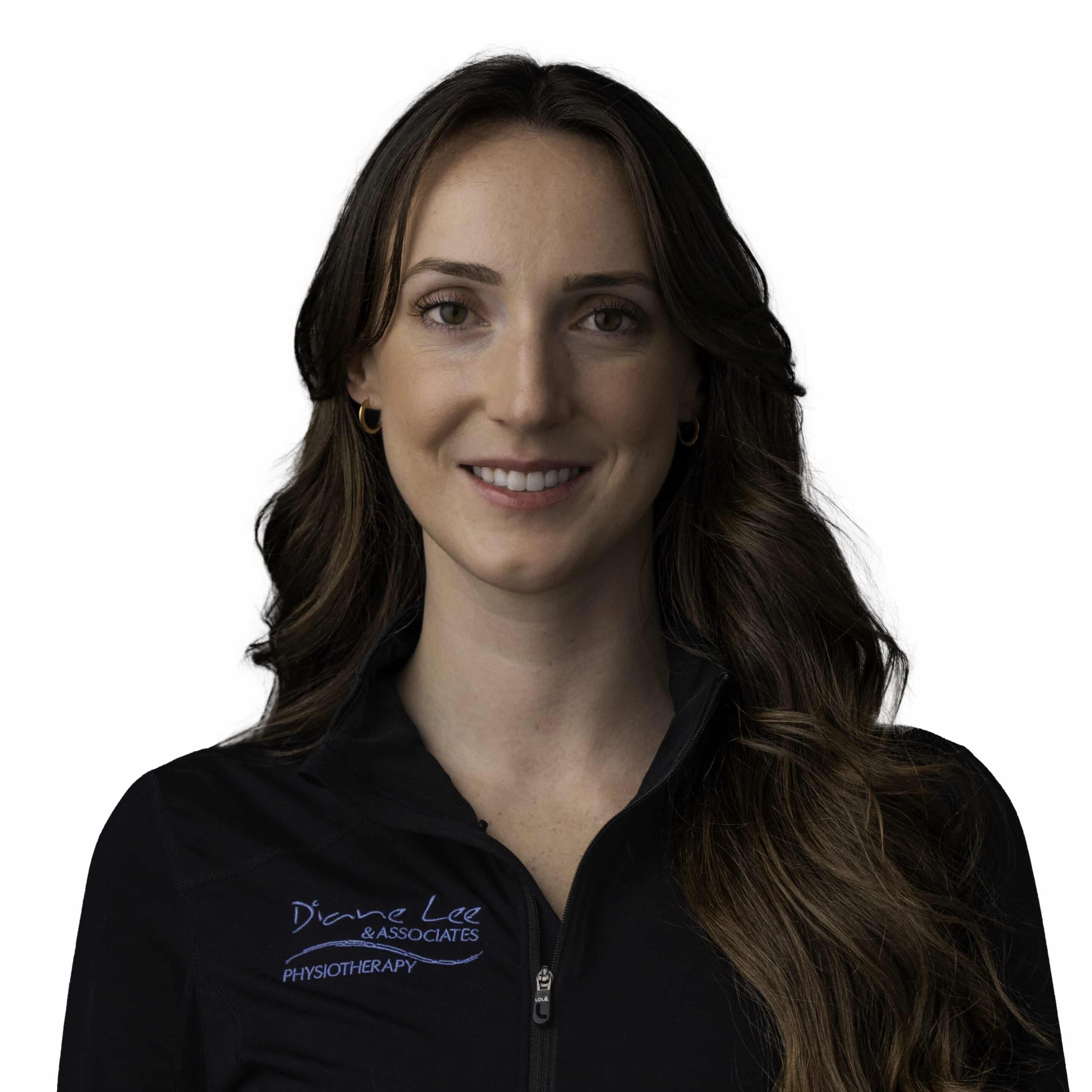
Olivia Zawadiuk
Olivia graduated from the University of British Columbia (UBC) with a Master of Physical Therapy in 2024. Prior to this, she completed her Bachelor of Kinesiology at UBC, where she was also a member of the UBC artistic (synchronized) swimming team. Olivia’s desire to become a physiotherapist was inspired by personal experiences as a competitive athlete, coach, and kinesiologist.
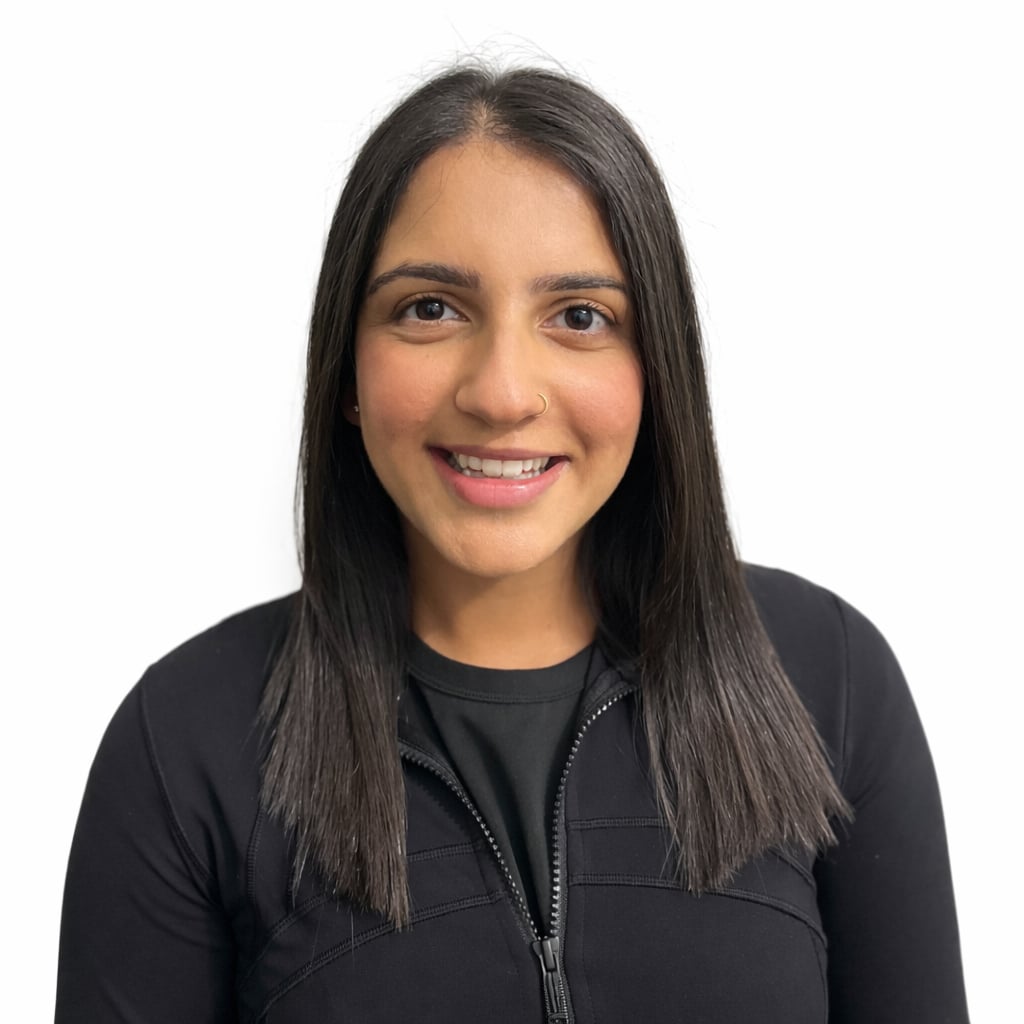
Asha Basi
Asha’s journey into physiotherapy began with a strong foundation in human movement and a passion for helping others improve their quality of life. She holds a Bachelor’s degree in Kinesiology from the University of British Columbia and a Master of Science in Physiotherapy from McMaster University. Her clinical practice encompasses both musculoskeletal and pelvic health physiotherapy, with a particular interest in the interplay between these systems.